

The problem: many initiatives lose energy before they achieve real impact
Launching a nonprofit initiative often begins with enthusiasm. Volunteers are motivated, organizers have ambitious plans, and supporters are excited to contribute. During the first weeks, progress can feel fast and encouraging.
But maintaining that momentum is much harder than creating it.
Many organizations eventually encounter the same challenge: the workload keeps growing while the available energy does not. Volunteers become less active, organizers take on more responsibilities than they can realistically manage, and supporters gradually disengage because communication becomes less frequent.
Burnout rarely happens because people stop caring.
More often, it happens because the way participation is organized is not sustainable.
Building long-term social impact requires more than motivation. It requires systems that help people contribute consistently without feeling overwhelmed.
Why intensity is not the same as progress
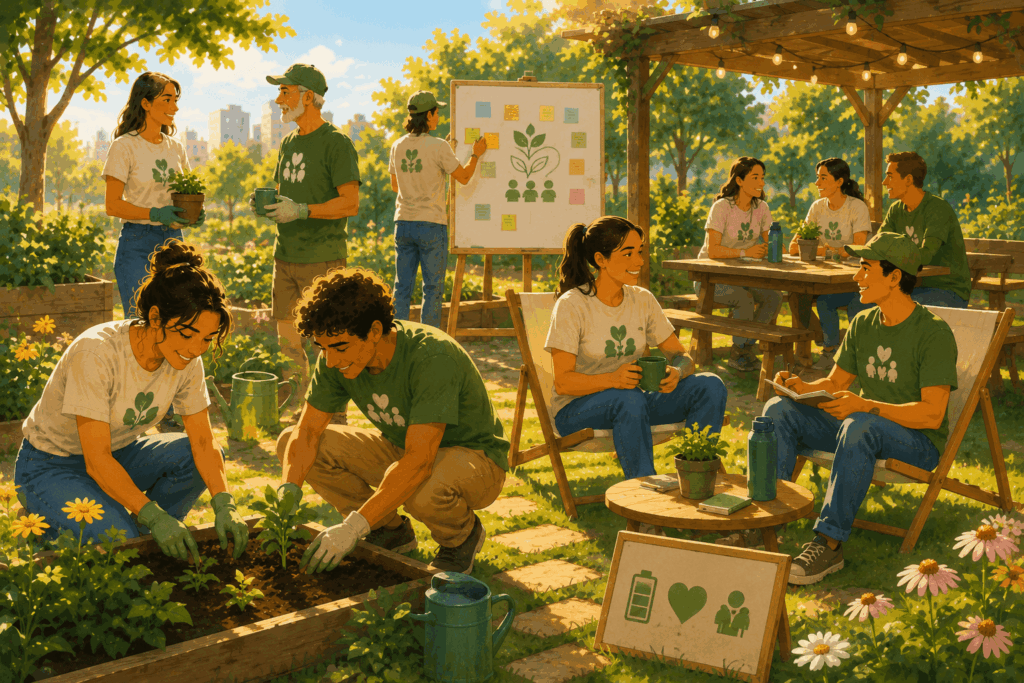
Many initiatives unintentionally reward intensity instead of consistency.
There is often an expectation that committed volunteers should always do more:
- spend additional hours;
- solve unexpected problems;
- respond immediately;
- participate in every activity;
- carry responsibilities beyond their original role.
While this approach may produce short-term results, it is difficult to sustain.
Healthy communities grow through steady participation rather than constant urgency. Small contributions made consistently often create greater long-term impact than occasional bursts of extraordinary effort.
Momentum should feel sustainable - not exhausting.
Burnout affects entire communities
When organizers become overwhelmed, the effects spread far beyond one individual.
Projects begin moving more slowly.
Communication becomes inconsistent.
Supporters receive fewer updates.
Volunteers lose direction.
Donors become uncertain about progress.
Eventually, participation declines not because people stopped believing in the mission, but because the community loses the rhythm that kept everyone connected.
Preventing burnout is therefore not simply about protecting organizers. It is about protecting the health of the entire initiative.
Sustainable momentum is built through shared responsibility
Strong communities avoid concentrating every responsibility in the hands of a few people.
Instead, they distribute participation across many contributors.
This can include:
- volunteers completing small, clearly defined tasks;
- supporters sharing projects with their own networks;
- professionals contributing specific skills;
- recurring donors providing predictable support;
- community members helping answer questions or onboard newcomers.
When responsibilities are shared, progress becomes more resilient.
Individual contributors can step back when necessary without causing the entire initiative to slow down.
Small actions create long-term movement
One of the biggest misconceptions in nonprofit work is that every contribution needs to be significant.
In reality, sustainable community engagement is usually built from many small actions repeated over time.
These actions might include:
- spending twenty minutes mentoring someone online;
- translating a short document;
- reviewing a fundraising page;
- sharing an update with friends;
- making a recurring monthly donation;
- completing a micro-volunteering task during a lunch break.
None of these actions changes the world on its own.
Together, however, they create steady progress that organizations can rely on.
This is one of the reasons why micro-volunteering continues to become an increasingly valuable part of modern nonprofit technology.
Visibility helps maintain motivation
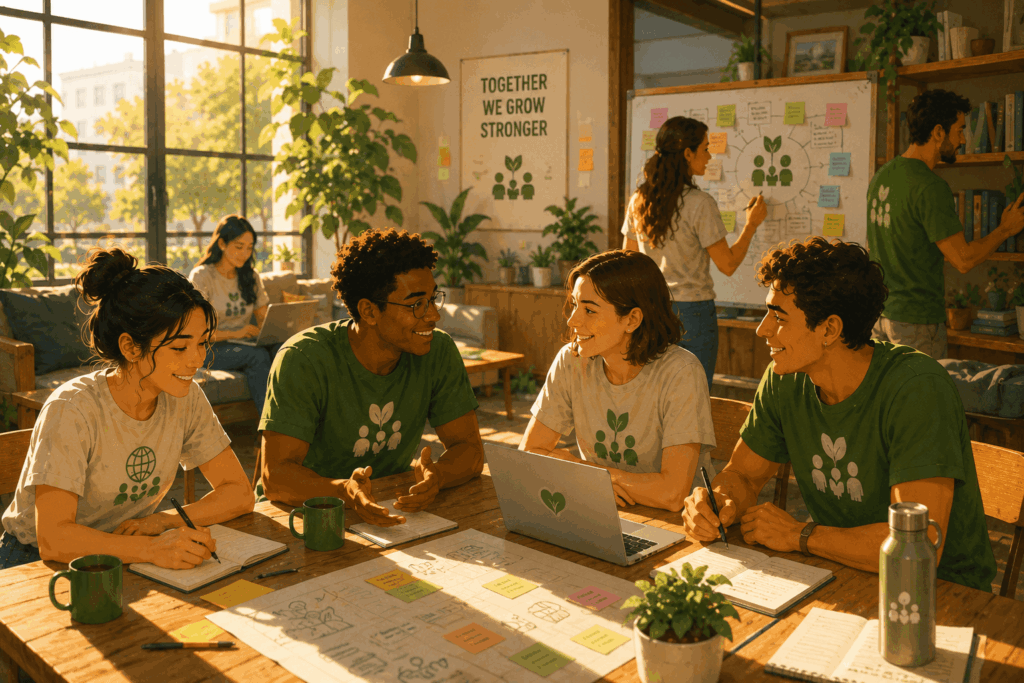
People remain engaged when they can see that progress is happening.
Without regular feedback, even meaningful contributions can begin to feel disconnected.
Supporters naturally want answers to questions such as:
- Is the project moving forward?
- Did my contribution make a difference?
- Are other people still participating?
- What happens next?
When organizations communicate consistently, supporters remain emotionally connected to the initiative.
Visible progress transforms participation from a single action into an ongoing relationship.
How Deya helps organizations build sustainable momentum
Deya was designed to support long-term participation rather than one-time activity.
Instead of requiring organizations to manage fundraising, volunteering, communication, and community engagement through separate systems, the platform brings these elements together in one place.
Organizations can:
- launch crowdfunding for good campaigns;
- recruit volunteers for both local and online volunteering;
- create opportunities for micro-volunteering;
- publish transparent project updates;
- build communities around shared goals rather than one-time campaigns.
This approach allows supporters to participate in ways that match their own availability.
Someone with ten free minutes can still contribute.
Someone with professional expertise can volunteer remotely.
Someone who cannot volunteer at all may still support a project financially or help increase its visibility.
Because participation becomes flexible, organizations are less dependent on a small number of highly active individuals.
Healthy communities respect people's limits
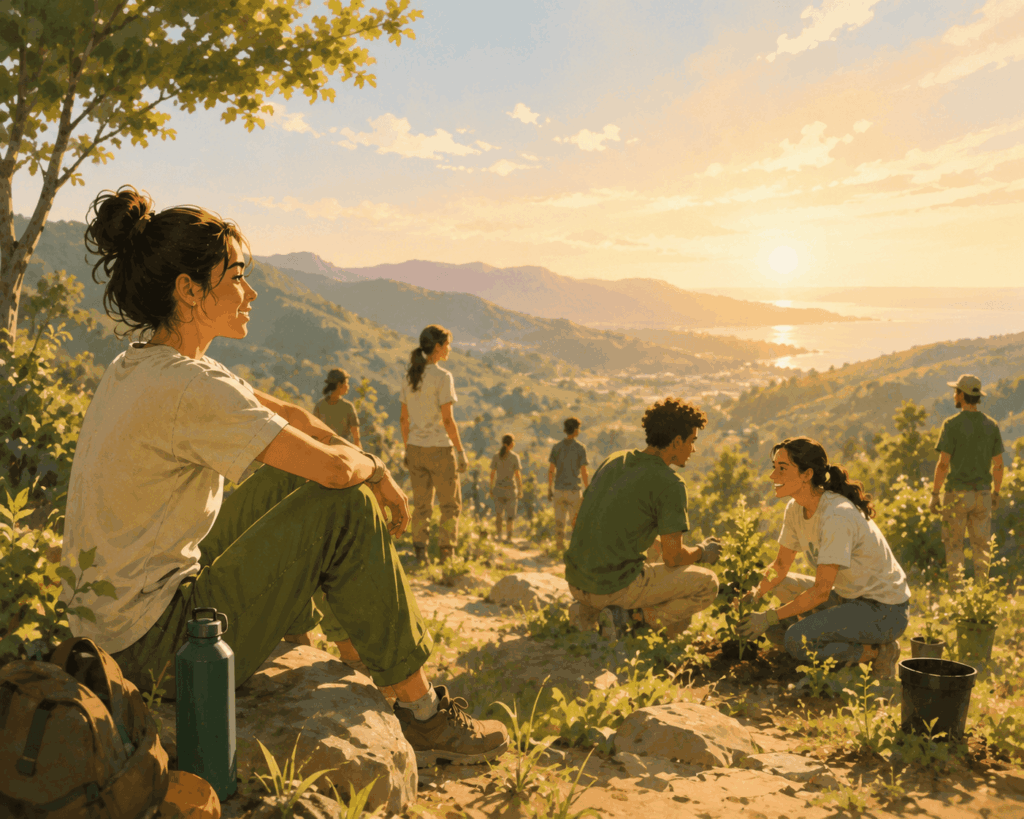
Long-term engagement depends on recognizing that every supporter has different circumstances.
Some people have several hours each week.
Others can only contribute occasionally.
Some offer financial support.
Others contribute knowledge, creativity, or professional skills.
Healthy communities value every type of participation instead of measuring commitment only by the amount of time someone invests.
This inclusive approach creates a stronger sense of belonging while reducing unnecessary pressure on volunteers and organizers alike.
Creating momentum that lasts
The strongest nonprofit initiatives are rarely those that move the fastest.
They are the ones that continue moving even after the initial excitement fades.
Sustainable momentum is built through a combination of simple principles:
- Make participation accessible.
- Distribute responsibilities across the community.
- Celebrate consistent progress instead of constant intensity.
- Keep communication transparent.
- Make every contribution visible and meaningful.
These habits create organizations that remain resilient through changing circumstances.
Conclusion
Creating meaningful social impact is not about asking a few dedicated people to work harder every month.
It is about making participation simple enough that many people can contribute over a long period of time.
When communities value consistency over intensity, burnout becomes less common. Volunteers remain engaged, organizers can focus on leadership rather than constant crisis management, and supporters continue returning because they feel connected to visible progress.
Technology cannot eliminate every challenge, but it can make sustainable collaboration much easier.
If you want to build a community where participation remains strong without exhausting the people behind it, explore how Deya supports crowdfunding, online volunteering, transparent collaboration, and long-term community engagement.
Deya is not just technology. It is a way to help - conveniently, transparently, and sustainably.