

The problem: many organizations expect transformation to happen all at once
Nonprofit organizations are often expected to solve complex problems quickly. Whether the goal is launching a community initiative, raising funds, recruiting volunteers, or expanding services, there is constant pressure to deliver visible results in a short period of time.
This expectation creates an unhealthy cycle. Teams set ambitious goals, invest enormous effort into rapid progress, and frequently become discouraged when change happens more slowly than anticipated. Volunteers lose motivation, organizers become overwhelmed, and supporters begin to question whether the initiative is moving forward.
Yet lasting social impact rarely happens through dramatic breakthroughs.
More often, it grows through a series of small improvements that strengthen an organization over time.
Resilience is not built by moving faster. It is built by continuing to move forward, even when progress is gradual.
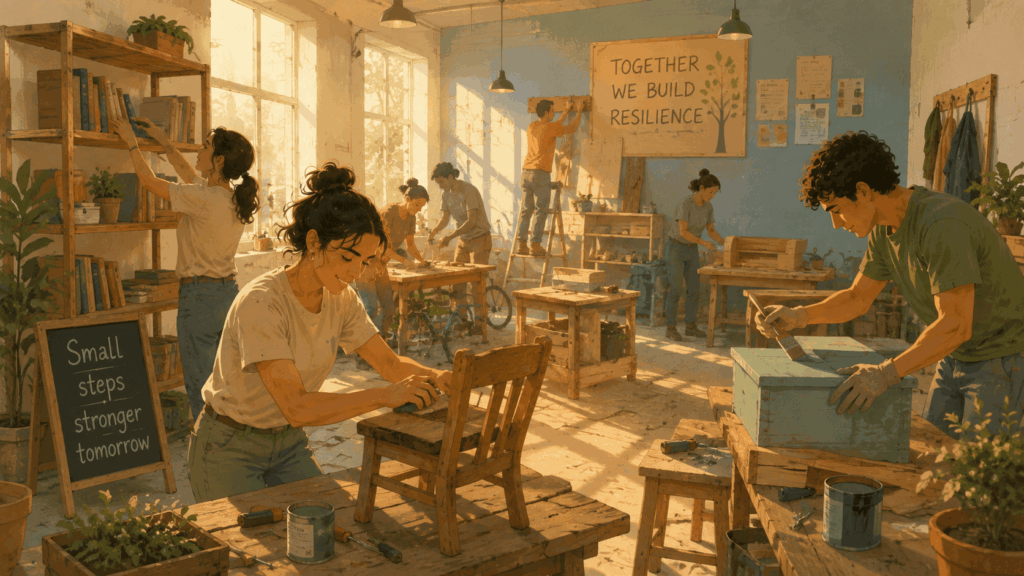
Small improvements create stronger foundations
Many of the most resilient organizations do not become successful because they make one revolutionary decision.
Instead, they improve continuously.
Over time, they learn how to communicate more effectively, organize volunteers more efficiently, build stronger relationships with donors, and adapt to changing community needs. Each improvement may seem minor on its own, but together they create a much stronger organization.
Incremental change often looks like:
- simplifying volunteer onboarding;
- improving communication with supporters;
- making fundraising campaigns more transparent;
- creating opportunities for micro-volunteering;
- sharing project updates more consistently.
None of these changes immediately transforms an organization. Together, however, they create a system that becomes more sustainable with every step.
Resilience comes from adaptability
Unexpected challenges are inevitable.
Funding priorities change.
Volunteer availability fluctuates.
Community needs evolve.
Economic conditions shift.
Organizations that depend on one strategy or one source of support often struggle when circumstances change. By contrast, resilient nonprofits develop the ability to adapt without losing momentum.
Adaptability does not require rebuilding everything from scratch. It usually comes from making regular adjustments before problems become crises.
Small improvements made consistently are often far more valuable than occasional large-scale transformations.
Progress becomes sustainable when it feels achievable
People are far more likely to remain engaged when progress feels realistic.
If every initiative requires extraordinary effort, participation eventually becomes difficult to sustain. Volunteers become exhausted, organizers feel responsible for every task, and supporters may believe their individual contribution is too small to matter.
A healthier approach encourages steady participation.
Communities become stronger when people can contribute according to their own capacity:
- volunteering for a few hours each month;
- completing small online tasks;
- offering professional expertise;
- making recurring donations;
- sharing projects with their personal networks.
When participation feels manageable, people are much more likely to return.
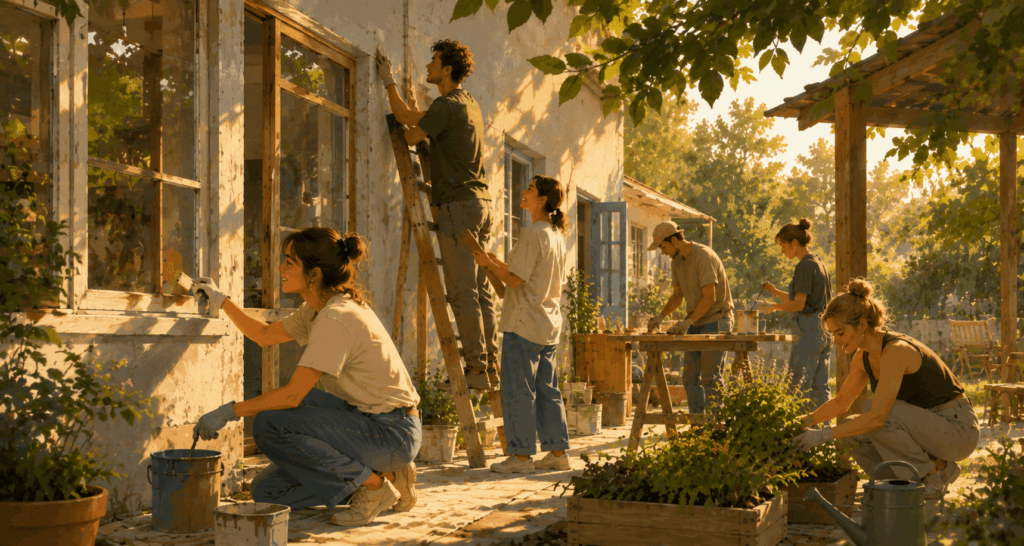
Visibility encourages persistence
Incremental progress is easy to overlook unless organizations make it visible.
Supporters naturally want to see that projects continue moving forward, even if the progress is gradual. Regular updates help maintain confidence because they demonstrate that every contribution is part of an ongoing process rather than an isolated event.
Visible progress also changes how communities think about success.
Instead of focusing only on the final outcome, supporters begin to recognize the importance of each completed milestone along the way.
This creates stronger long-term engagement because people can see their contributions accumulating over time.
Strong communities share responsibility
Resilient organizations rarely rely on a few extraordinary individuals.
Instead, they distribute responsibilities across many contributors.
This creates several important advantages:
- organizers avoid carrying every responsibility alone;
- volunteers can participate without feeling overwhelmed;
- supporters contribute in different ways depending on their skills;
- projects continue moving even when individual participants become temporarily unavailable.
Shared responsibility creates stability because the success of the initiative no longer depends on a single person or team.
Communities become stronger when everyone has an opportunity to contribute.
How Deya supports sustainable growth
Deya was built around the idea that meaningful social impact grows step by step.
Rather than focusing only on fundraising, the platform brings together multiple forms of participation that help organizations build resilience over time.
Using Deya, organizations can:
- launch crowdfunding for good campaigns;
- recruit volunteers for both local and online volunteering;
- create flexible micro-volunteering opportunities;
- publish transparent progress updates;
- build communities that remain engaged beyond a single campaign.
This allows organizations to grow naturally instead of relying on constant large-scale efforts.
Supporters can participate according to their own time, resources, and expertise while remaining connected to the broader mission.
Every contribution becomes part of an ongoing process rather than a one-time transaction.
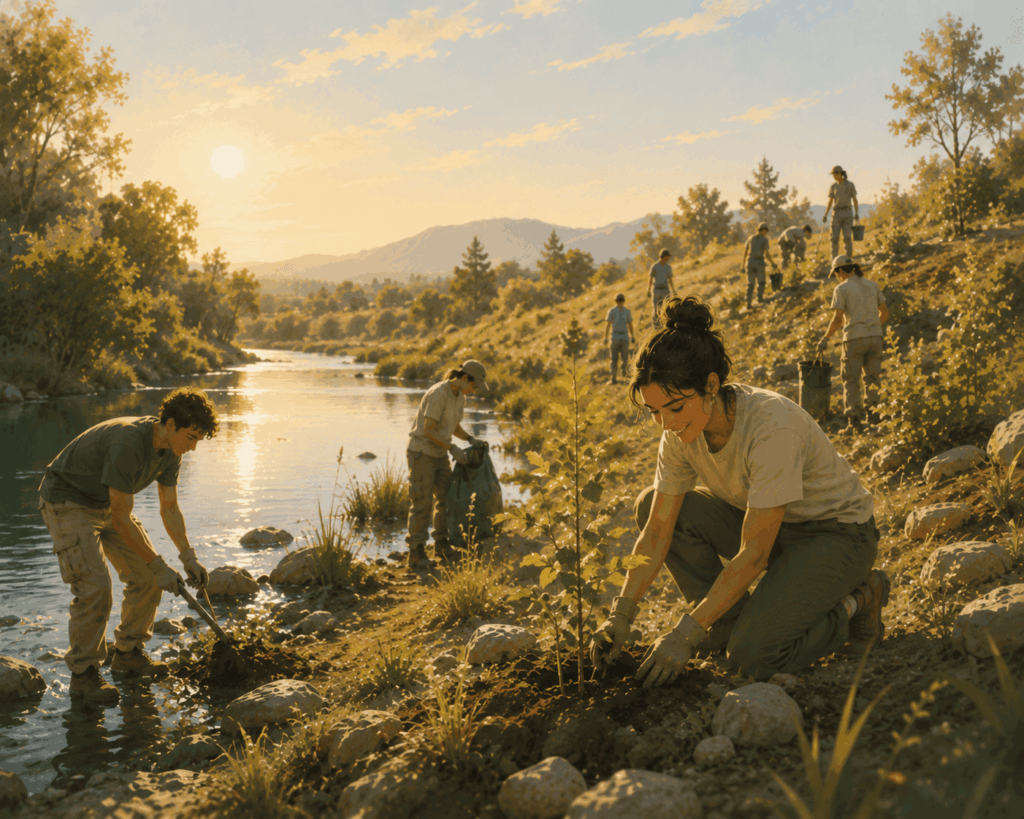
Long-term impact grows through consistency
Sustainable organizations usually follow the same pattern.
They focus less on dramatic achievements and more on maintaining healthy habits over time.
These habits often include:
- Setting realistic goals.
- Celebrating incremental progress.
- Keeping communication transparent.
- Encouraging different forms of participation.
- Learning from feedback and making continuous improvements.
Individually, these actions may appear modest.
Together, they create organizations that are able to grow steadily while remaining flexible enough to respond to future challenges.
Building resilience one step at a time
Every nonprofit hopes to create meaningful change. The strongest organizations understand that meaningful change is rarely the result of one extraordinary moment.
It is the result of hundreds of small decisions made consistently over months and years.
Every volunteer welcomed into the community.
Every transparent project update.
Every recurring donation.
Every small improvement in communication.
Each step strengthens the foundation for future impact.
Technology cannot replace commitment or human connection, but it can make steady progress easier to organize and sustain.
If you want to build initiatives that continue growing through collaboration, transparency, and long-term community engagement, explore how Deya supports crowdfunding, volunteering, and community building in one people-centered platform.
Deya is not just technology. It is a way to help - conveniently, transparently, and with lasting impact.