

The problem: starting is easier than staying involved
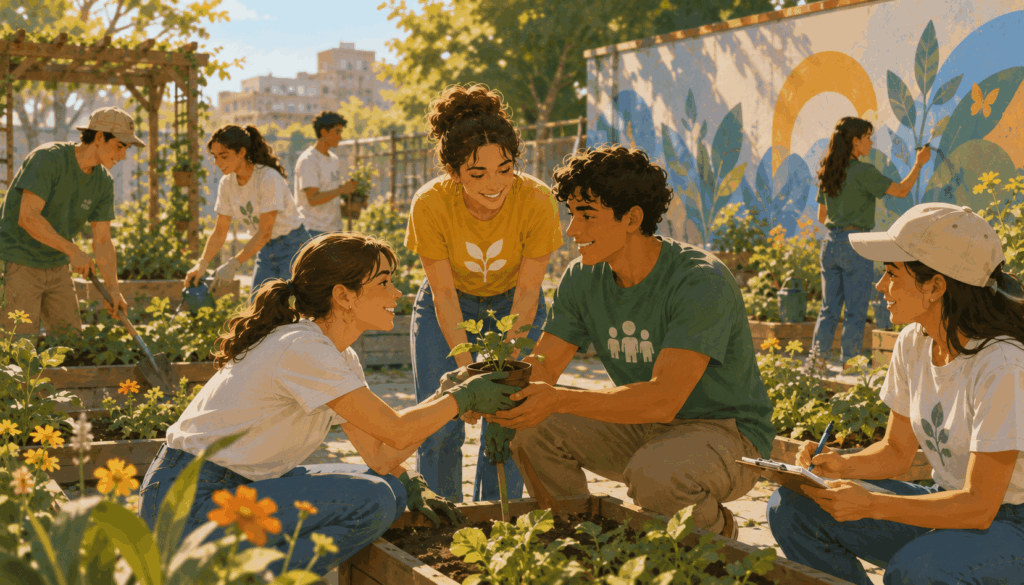
The first act of participation often happens quickly.
Someone sees a meaningful initiative, donates a small amount, shares a campaign, completes a short online volunteering task, or signs up to help at a local event. In that moment, the connection feels immediate. The need is clear, the action is manageable, and the person feels that they have done something useful.
Then everyday life continues.
New messages appear. Other responsibilities take priority. The project moves forward somewhere outside the supporter’s field of view. Unless there is a reason to return, the first contribution may remain the last one.
This is one of the central challenges of modern community engagement. Nonprofits and grassroots initiatives are often able to attract attention for a specific campaign, but turning that initial response into long-term participation is much more difficult.
The problem is not always that people lose interest in the cause. More often, they lose their connection to the process.
A small first step opens the door
Low-barrier participation matters because most people cannot immediately offer a large donation, commit to months of volunteering, or take responsibility for an entire project.
A small action creates a more realistic starting point.
It may be:
- a five-minute micro-volunteering task;
- a modest contribution to crowdfunding for good;
- one useful introduction;
- an hour of professional advice;
- a repost that reaches the right audience;
- participation in a short local activity.
These actions make social impact feel possible within ordinary life. They reduce the emotional and practical pressure that often prevents people from getting started.
But accessibility alone does not create continuity.
The first step answers the question, “Can I participate?” Long-term engagement depends on what happens next.
People return when they understand the result
One of the strongest reasons people disengage is the absence of visible feedback.
They make a contribution, but the story stops at the moment of action. They do not know whether the fundraising goal was reached, whether volunteers completed the task, whether the equipment was purchased, or whether the project changed in response to new circumstances.
Without this information, participation begins to feel disconnected from impact.
The contribution may have been useful, but the person cannot see that usefulness. Over time, uncertainty weakens motivation.
Even a short update can change this experience. A message explaining that the first milestone has been reached, a photo of completed work, or a clear note about the next stage helps people understand that their action had a continuation.
Visible results do not need to be dramatic. People often respond more strongly to specific progress than to broad claims about success.
“We collected enough to purchase the first set of materials” creates a clearer connection than “Thank you for supporting our mission.”
The first message shows movement. The second expresses appreciation but leaves the outcome abstract.
Engagement grows when people feel part of the process
A supporter is more likely to return when they feel connected not only to the cause but also to the people working on it.
This connection develops through communication.
When organizations share decisions, challenges, progress, and next steps, participation begins to feel collaborative. People understand that a project is not a distant activity managed behind closed doors. It is a process they can follow and influence.
That sense of involvement is especially important in online volunteering and digital community engagement, where participants may never meet organizers or beneficiaries in person.
Digital distance can easily become emotional distance unless communication actively closes the gap.
People remain engaged when they can answer three simple questions:
- What is happening now?
- How did my contribution help?
- Is there another useful action I can take?
Clear answers create continuity.
The next step must be easy to recognize
Many projects successfully attract first-time supporters but fail to show them what to do afterward.
A person completes one task and receives no further direction. They donate once but never hear about another stage of the initiative. They join a community but cannot immediately understand where their skills might be useful.
This creates a break in participation.
Long-term engagement becomes more likely when the next opportunity is visible, specific, and proportional to the person’s previous involvement.
Someone who completed a ten-minute micro-volunteering task may not be ready to lead a team. However, they may be willing to complete another short task, review a document, help with translation, or share an update.
Someone who made a small donation may be open to a recurring contribution if they first see how the initial funds were used.
Progressive participation respects people’s time and allows commitment to grow naturally.
Instead of asking for everything at once, organizations can offer a sequence of manageable actions.
Recognition matters, but it should feel genuine
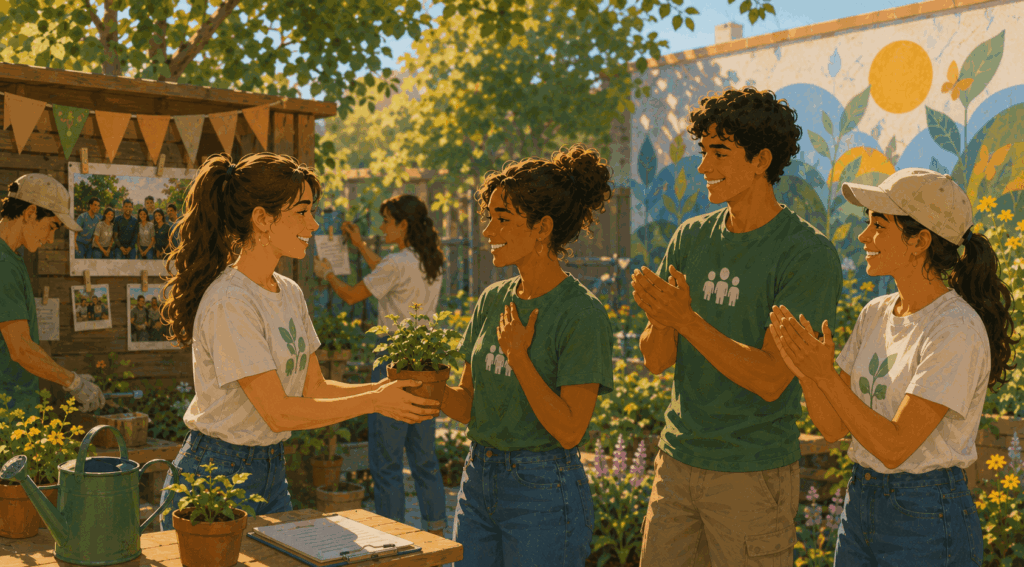
People want to know that their contribution was noticed.
This does not mean every participant needs public praise or a formal award. In many cases, a simple and specific acknowledgment is more meaningful.
“Your translation helped us publish this information for a new audience” communicates more value than a generic “Thank you for volunteering.”
Effective recognition connects the person’s action to the outcome.
It shows that their contribution was not merely received. It was used.
At the same time, recognition should not turn social participation into a competition. Public leaderboards, constant comparison, or pressure to contribute more can weaken the sense of shared purpose.
The goal is not to make people prove their commitment. It is to help them understand their place within collective progress.
Trust turns one action into a relationship
People rarely remain involved in projects they do not trust.
After the first contribution, supporters begin looking for signals that the organization is consistent, transparent, and responsible.
They notice whether updates are published, whether questions are answered, whether goals remain clear, and whether challenges are discussed honestly.
Trust grows through small repeated experiences.
A realistic timeline builds more confidence than an ambitious promise that is never explained. An honest update about a delay can strengthen a relationship more than silence followed by a polished success announcement.
Long-term engagement depends on the feeling that the organization respects supporters enough to keep them informed.
This is where transparency becomes more than a reporting requirement. It becomes part of community building.
Choice helps people stay involved
Participation becomes difficult to sustain when there is only one acceptable way to contribute.
Not everyone can donate regularly. Not everyone has time for traditional volunteering. Some people may have useful professional skills but limited availability. Others may be able to support a project through communication, research, local knowledge, or community connections.
Offering different forms of participation makes engagement more resilient.
Useful options may include:
- one-time and recurring donations;
- remote online volunteering;
- short micro-volunteering tasks;
- professional or skills-based support;
- sharing verified project information;
- joining discussions or providing feedback;
- helping with local coordination.
These are all legitimate ways to help without money.
When people can choose an action that fits their current capacity, they are less likely to withdraw entirely during busy or financially difficult periods.
Flexible participation keeps the relationship open.
Community creates a reason to return
A project may attract a person, but a community often keeps them involved.
People are more likely to return when they recognize familiar names, see collective progress, and understand that others are contributing alongside them.
This shared experience changes the emotional meaning of participation. Helping no longer feels like an isolated transaction between one supporter and one organization. It becomes part of a wider social process.
Strong communities also create continuity between individual campaigns.
A person may first join because of one specific fundraiser. Over time, they may stay because they trust the organizers, identify with the values of the group, and want to support future initiatives.
This is how community engagement grows beyond temporary attention.
How digital tools for nonprofits support continuity
Digital tools for nonprofits can make long-term engagement easier, but only when they connect different stages of participation.
A donation form alone processes a transaction. A volunteer spreadsheet may organize names. A social media page can distribute updates. Each tool may solve one practical problem, but a fragmented system can make the overall experience difficult to follow.
Supporters move between links, platforms, chats, and forms. Project information becomes scattered. Updates reach some participants but not others. The relationship is interrupted by the structure of the technology itself.
Effective nonprofit technology should help organizations maintain one clear path from discovery to participation, progress, and future involvement.
It should make it easier to:
- explain the project and its current needs;
- offer different ways to participate;
- show progress after the first action;
- communicate updates in one accessible place;
- invite people into the next stage;
- preserve the history of collective work.
Technology cannot create commitment on its own. However, it can remove the gaps that cause people to lose connection.
How Deya helps turn first steps into continued participation
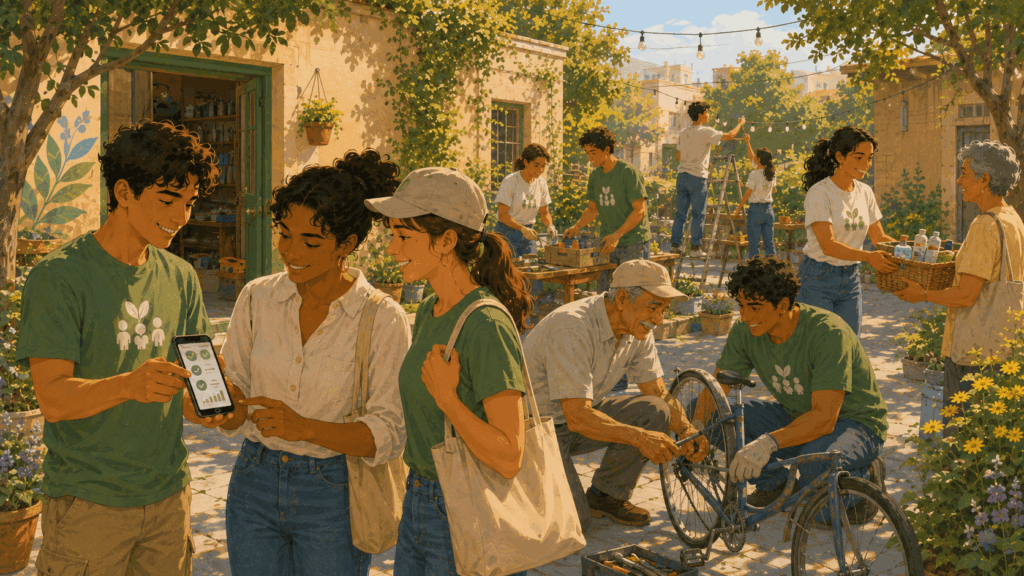
Deya brings crowdfunding, volunteering, project updates, and community interaction into one connected environment.
An organization can present a specific need, explain the goal, invite financial support, recruit volunteers, and continue sharing progress as the initiative develops.
For supporters, this creates a clearer experience.
They do not have to treat their first action as a separate moment. They can follow what happens afterward, see new opportunities, and choose how deeply they want to participate.
Someone may begin with a small donation and later help share an update. Another person may complete a short online volunteering task and then offer professional expertise. A local supporter may join a discussion before taking part in an offline activity.
Deya allows these forms of participation to exist around the same project and community.
This matters because long-term engagement rarely begins with a large commitment. It develops through a sequence of meaningful, visible, and manageable actions.
Consistency keeps the relationship alive
Organizations do not need to communicate constantly to keep people engaged.
They need to communicate consistently.
A useful update should appear when something meaningful changes: a milestone is reached, a challenge emerges, a new task becomes available, or the project enters another stage.
The rhythm of communication matters more than volume.
Too many generic messages can make participation feel like marketing. Too little communication makes the project disappear.
A steady flow of relevant information helps supporters remain connected without feeling pressured.
Over time, this consistency creates familiarity. People begin to understand how the organization works, what it values, and how it responds to challenges.
That familiarity strengthens trust and makes future participation easier.
Long-term engagement is built after the first action
The first contribution is important, but it is only the beginning.
People stay involved when they see progress, understand their role, trust the process, and know what they can do next. They return when participation fits into their lives and when the community makes their contribution feel connected to something larger.
For nonprofits, activists, and local initiatives, this means engagement should not be measured only by how many people respond to the first call.
A more meaningful question is: how many people still feel connected after that first action is complete?
When organizations create visibility, offer choice, communicate consistently, and treat supporters as participants rather than transactions, small steps begin to accumulate.
A single donation can become lasting trust. One volunteer task can grow into a useful partnership. A brief moment of attention can develop into genuine community involvement.
That is how sustainable social impact grows - not through constant pressure, but through a clear reason to return.
Want your energy to lead to a real result? Explore how Deya connects crowdfunding for good, online volunteering, micro-volunteering, and transparent community engagement in one place.
Deya is not just technology. It is a way to help conveniently, transparently, and meaningfully.