

The problem: people remember stories long after they forget statistics
Nonprofit organizations invest enormous effort into explaining why their work matters. They publish reports, share fundraising goals, announce volunteer opportunities, and communicate measurable outcomes. All of this information is important.
Yet information alone rarely creates lasting engagement.
People may appreciate impressive numbers, but they connect much more deeply with experiences that help them understand why those numbers matter in the first place.
A community can raise significant funding, recruit hundreds of volunteers, or complete dozens of successful projects. Without meaningful storytelling, however, those achievements often become isolated updates rather than part of a larger journey that supporters genuinely want to follow.
Long-term engagement grows when people feel connected not only to results, but also to the purpose, progress, and people behind them.
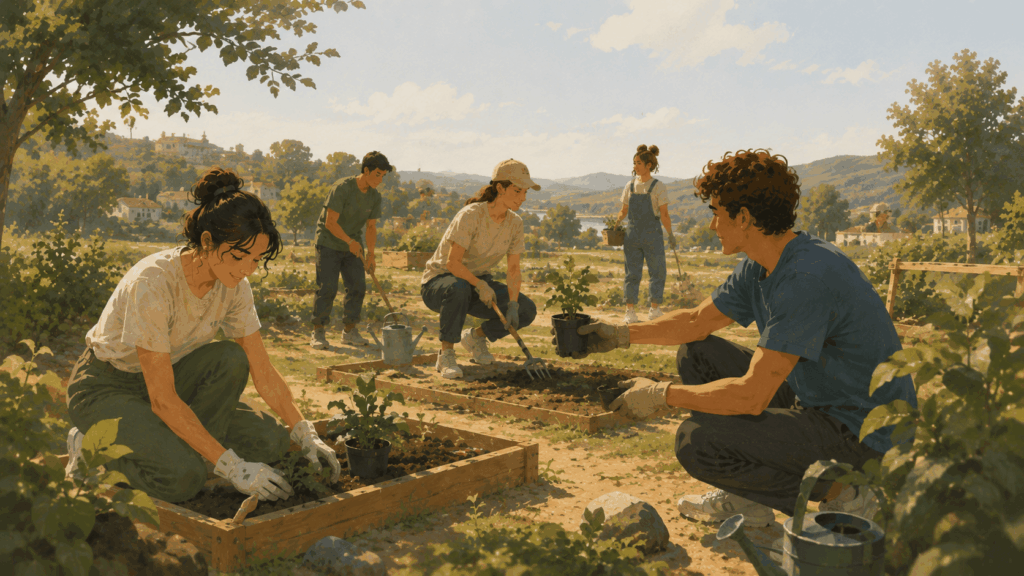
Stories create emotional continuity
Most supporters do not become long-term contributors after seeing a single campaign.
They stay involved because they begin following an ongoing narrative.
Every update answers an important question:
"What happened next?"
That simple curiosity keeps people returning.
Effective storytelling transforms separate activities into one continuous journey. Instead of seeing individual fundraising campaigns, volunteers and donors begin to see the evolution of an initiative.
They understand where a project started, what challenges it faced, how the community responded, and what progress has been achieved together.
That continuity creates emotional investment that statistics alone rarely accomplish.
Engagement depends on context, not only outcomes
Imagine reading that a nonprofit reached 75% of its fundraising goal.
The number is encouraging, but it tells only part of the story.
Now imagine learning:
- why the project began;
- what obstacle the community is trying to overcome;
- how volunteers contributed their expertise;
- what each milestone made possible;
- what still needs to happen before the project is complete.
Suddenly, progress becomes meaningful rather than abstract.
People understand not only what happened but why it matters.
This context encourages supporters to stay engaged because they feel part of something that continues developing over time.
Authentic stories build trust
Modern audiences quickly recognize overly polished communication.
They do not expect nonprofit organizations to present perfect journeys.
Instead, they appreciate honesty.
Authentic storytelling includes successes, but it also acknowledges challenges, unexpected delays, lessons learned, and changing priorities.
This openness demonstrates that organizations value transparency more than appearances.
Trust grows when communities see genuine progress instead of carefully edited perfection.
In many cases, supporters become even more committed when they understand how organizations adapt, solve problems, and continue moving forward despite obstacles.
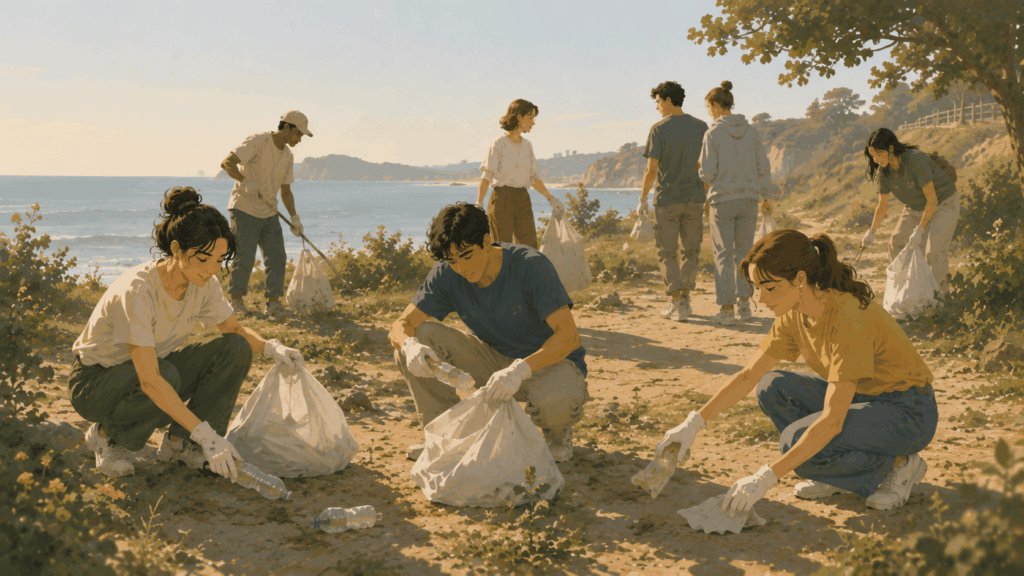
Storytelling is about participation, not promotion
One common misconception is that storytelling exists primarily to attract attention.
In reality, its greatest value lies elsewhere.
Good storytelling helps people understand how they contribute to change.
Supporters want to know that their donation, volunteer work, professional expertise, or shared recommendation became part of something meaningful.
Stories help answer questions such as:
- Where did my contribution make a difference?
- How did the project evolve?
- What happened after the campaign ended?
- What challenges were solved together?
- What comes next?
These answers strengthen relationships far more effectively than promotional messages alone.
Every contributor becomes part of the narrative
Strong communities are built when supporters recognize themselves within a project's ongoing story.
Not because they become the main focus, but because they understand that meaningful progress depends on many different contributions.
Some people donate.
Others volunteer online.
Some design materials, translate documents, mentor organizations, or connect projects with new audiences.
Every contribution moves the story forward.
When organizations communicate this collective progress, participation becomes more rewarding because people see themselves as part of a shared effort rather than isolated supporters.
Digital platforms make continuous storytelling possible
Before digital communities became common, communication often happened only during fundraising campaigns or annual reports.
Today, nonprofit technology makes continuous storytelling much easier.
Organizations can share updates throughout the entire lifecycle of a project instead of communicating only when additional funding is needed.
Supporters can follow:
- milestones reached;
- volunteer activities;
- project development;
- community discussions;
- lessons learned;
- future plans.
This ongoing communication keeps relationships active long after an individual campaign ends.
Instead of disappearing after making one contribution, supporters remain connected to the broader mission.
How Deya supports meaningful storytelling
Deya was designed to help organizations build communities rather than simply collect donations.
Alongside crowdfunding for good, online volunteering, and community engagement, the platform allows projects to communicate their progress openly throughout every stage of development.
Organizations can share updates, publish new milestones, involve volunteers, and continue conversations with supporters as initiatives evolve.
Rather than treating fundraising as a single transaction, Deya encourages long-term relationships built around transparency and shared progress.
Supporters can follow projects over time, understand how their contributions create value, and continue participating in ways that match their interests and availability.
This transforms communication from occasional announcements into an ongoing dialogue.
Long-term engagement grows through consistency
People rarely become loyal supporters because of one emotional message.
They stay because communication remains consistent.
Organizations that regularly share meaningful updates create stronger communities than those that appear only during fundraising campaigns.
Consistency does not require constant posting.
Instead, it means providing relevant information whenever meaningful progress occurs.
Examples include:
- completed project milestones;
- volunteer achievements;
- new partnerships;
- lessons learned;
- community initiatives;
- future opportunities for participation.
Over time, these updates build familiarity, confidence, and trust.
Stories inspire future participation
Every completed project influences the next one.
When supporters see that previous initiatives achieved tangible progress, they become more confident participating again.
Stories reduce uncertainty.
Instead of wondering whether their contribution will matter, people can observe how previous efforts developed from initial ideas into measurable outcomes.
This creates a positive cycle.
Meaningful communication strengthens trust.
Trust encourages participation.
Participation generates new stories.
Those stories inspire even more people to become involved.
Communities grow because progress becomes visible, understandable, and relatable.
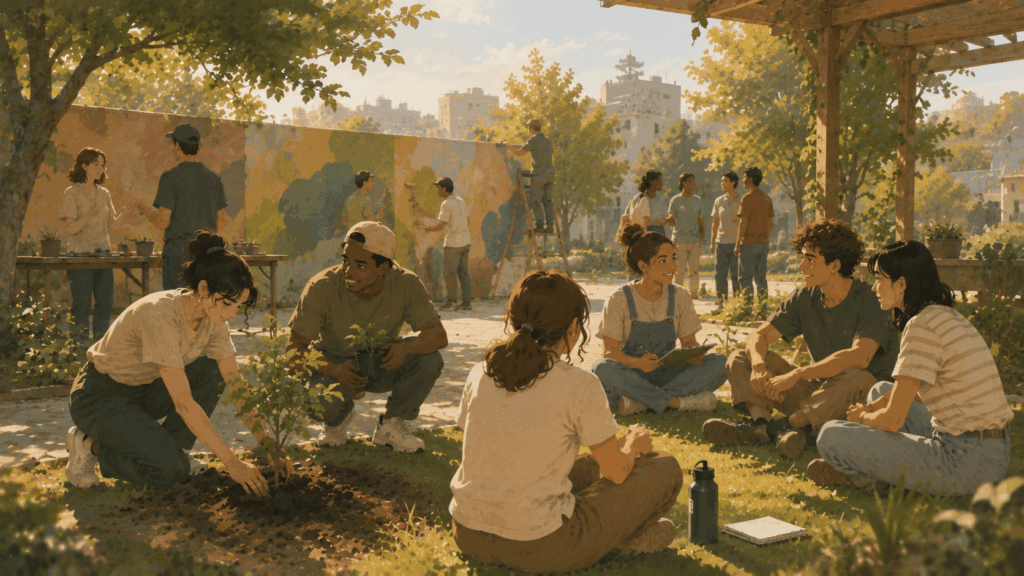
The future of nonprofit engagement is narrative, not noise
Modern audiences receive thousands of messages every day.
Organizations compete not only for donations but also for attention.
The most successful nonprofit communication is unlikely to be the loudest.
It will be the most meaningful.
Storytelling helps organizations explain complexity without overwhelming supporters.
It connects individual actions to collective outcomes.
It transforms isolated campaigns into ongoing missions that people genuinely want to follow.
When communication reflects real progress, authentic collaboration, and shared purpose, long-term engagement becomes a natural outcome rather than a constant challenge.
Conclusion
Stories give people a reason to stay connected long after making their first contribution.
They provide context, build trust, celebrate progress, and remind supporters that meaningful change happens over time rather than in a single moment.
Organizations that invest in continuous, transparent storytelling build stronger communities because they help people understand not only what has been achieved, but also how every contribution moves the mission forward.
If you want to create lasting relationships through crowdfunding, online volunteering, and transparent community engagement, explore how Deya helps organizations turn every stage of a project into part of a shared story.
Deya is not just technology. It is a way to help - conveniently, transparently, and together.