
The problem: people want to know that their contribution mattered
Most people do not expect a single donation or volunteer task to change the world overnight.
What they do expect is to understand whether their effort had any real value.
This expectation has become one of the defining characteristics of modern social participation. People are willing to support meaningful initiatives, but they increasingly want to see what happens after they decide to get involved.
Unfortunately, many organizations still communicate only at the beginning of a campaign. They announce a fundraising goal, recruit volunteers, or ask for support, but once participation begins, communication often slows down.
Supporters are left wondering:
- Was the goal achieved?
- Did the project move forward?
- Were volunteers found?
- Did the community benefit?
- Did my contribution actually matter?
When these questions remain unanswered, motivation gradually decreases - not because people stop caring, but because they lose visibility into the results.
Visibility strengthens participation
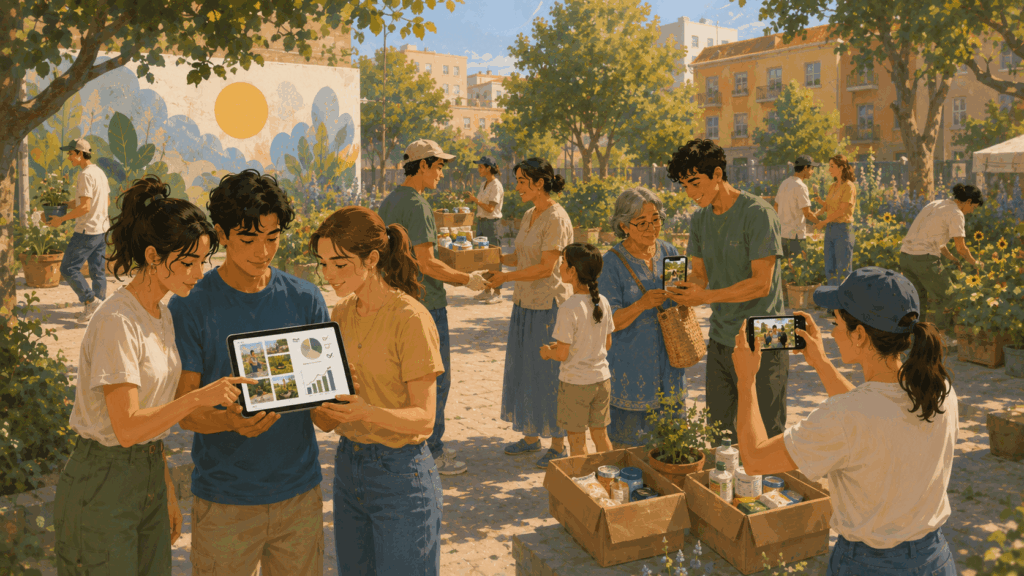
Seeing progress changes the way people experience helping.
A contribution no longer feels like an isolated action. Instead, it becomes part of an ongoing process that supporters can follow over time.
Visibility creates confidence because it transforms abstract intentions into observable outcomes.
Even relatively small updates can make a significant difference.
For example:
- a fundraising milestone is reached;
- volunteers complete an important task;
- equipment is delivered;
- educational materials are published;
- community events take place;
- new partnerships are formed.
Each update reminds supporters that meaningful progress happens through many individual contributions working together.
Digital communication closes the feedback gap
One of the greatest advantages of nonprofit technology is its ability to reduce the distance between organizations and supporters.
In the past, updates often appeared months after a project ended through annual reports or newsletters.
Today, digital platforms allow organizations to communicate throughout the entire lifecycle of an initiative.
Supporters no longer need to wait until a campaign is over to understand what is happening.
Instead, they can follow progress step by step.
This continuous communication creates a much stronger sense of involvement because participation feels like an ongoing relationship rather than a single transaction.
Progress is more motivating than perfection
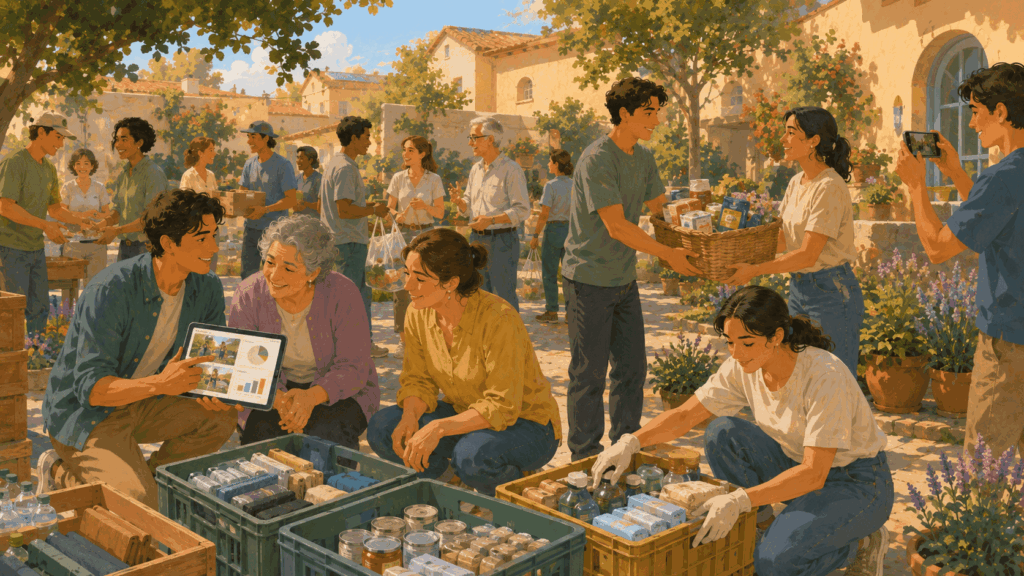
Organizations sometimes hesitate to publish updates because they feel there is not enough progress to report.
In reality, communities rarely expect dramatic breakthroughs every week.
People appreciate honest progress.
Sharing gradual development often builds more trust than waiting to announce only completed successes.
Meaningful updates might include:
- reaching 30% of a fundraising goal;
- recruiting the first volunteers;
- completing initial planning;
- solving unexpected challenges;
- adjusting timelines responsibly.
These moments demonstrate that real work is happening, even when projects are still evolving.
Visible progress encourages patience and reinforces confidence.
Transparency creates stronger relationships
Visibility is not only about celebrating achievements.
It is also about explaining the process behind them.
When organizations openly communicate both progress and challenges, supporters gain a more realistic understanding of how social impact develops.
Transparency helps answer important questions such as:
- What has already been accomplished?
- What remains to be done?
- Why has the timeline changed?
- What additional support is needed?
- What lessons have been learned?
These conversations strengthen trust because they show supporters they are being treated as partners rather than passive observers.
Technology makes collaboration easier
Modern digital tools for nonprofits are no longer limited to processing donations.
They help organizations coordinate volunteers, manage communication, share updates, and build long-term communities around shared goals.
Instead of scattered conversations across multiple channels, information can remain connected to the project itself.
This allows supporters to understand not only what an organization is doing today but also how today's activities contribute to larger long-term objectives.
The clearer this connection becomes, the easier it is for people to remain engaged.
How Deya makes impact visible
Deya was created around the idea that participation should continue beyond the initial moment of support.
The platform combines crowdfunding for good, online volunteering, micro-volunteering, and community engagement while giving organizations the ability to communicate progress throughout every stage of a project.
Supporters can easily see:
- project goals;
- current milestones;
- volunteer opportunities;
- campaign updates;
- ongoing development.
Instead of making a contribution and disappearing from the process, people remain connected to the initiative as it grows.
This visibility creates stronger relationships between organizations and their communities because every participant can observe how collective efforts lead to meaningful outcomes.

Visible impact encourages long-term engagement
When supporters regularly see evidence of progress, participation becomes more rewarding.
People begin recognizing that even relatively small actions contribute to something larger.
A recurring donation.
An hour of online volunteering.
Professional advice.
Sharing an initiative with friends.
Individually, these actions may appear modest.
Together, they become visible building blocks of meaningful social impact.
This understanding motivates people to return because they know their contributions continue shaping real outcomes.
Communities become stronger when progress is shared
Impact grows more sustainably when achievements belong to the entire community rather than remaining visible only to project organizers.
Regular communication allows everyone involved to celebrate progress together.
Supporters gain confidence.
Volunteers understand their value.
Partners recognize opportunities for collaboration.
Organizations strengthen their credibility.
Over time, these shared experiences create communities that are more resilient, engaged, and willing to participate in future initiatives.
The project no longer belongs only to its creators.
It becomes something people feel connected to and invested in.
The future of social impact is visible collaboration
As nonprofit technology continues evolving, visibility will become increasingly important.
People are not simply looking for opportunities to help.
They are looking for opportunities to understand, participate, and grow alongside the communities they support.
Digital tools make this possible by connecting people not only to campaigns but also to progress.
When supporters can clearly see how projects develop over time, participation feels more meaningful, trust grows naturally, and communities become stronger.
Conclusion
Making impact visible is not about creating impressive reports or publishing constant updates for the sake of communication.
It is about helping people understand that their contributions matter.
When organizations communicate progress openly, supporters become more confident, communities become more engaged, and collaboration becomes easier to sustain.
Digital technology has the potential to strengthen these relationships by making every stage of a project's journey more transparent and accessible.
If you want to build stronger communities through crowdfunding, online volunteering, micro-volunteering, and transparent communication, explore how Deya helps organizations make every contribution visible and every participant part of the journey.
Deya is not just technology. It is a way to help - conveniently, transparently, and together.